LAMINATION FILM
Lamination film is laminated on it for protection in PVC prints made by digital or screen-printing method. It is a kind of coating material used to protect various surfaces, increase their durability and for decorative purposes. It is usually produced from plastic materials such as polyester, polypropylene or PVC and is joined by heating.
Lamination film is especially used for the protection of paper and cardboard materials. By being applied on these materials, it helps to protect it from the effects of elements such as moisture, dirt and dust. In addition, these films can be coated with matte, glossy, satin or metallic surfaces, thus providing aesthetic appearances.

| Lamination Film | |
| Foil Type | Monomeric PVC Film |
| Thickness | 50μ |
| Craft Paper | 90 g/m² |
| Surface | Glossy, Matte |
| Roll Size | 1.07 x 50m – 1.27 x 50m 1.37 x 50m – 1.52 x 50m |
| Adhesive Type | transparent solvent based permanent adhesive |
| Storage Conditions | Warehouse Temperature : +22˚C Relative Humidity : %50 – %55 |
| Temperature Range | +15˚C – +40˚C |
How to Apply Lamination Film?
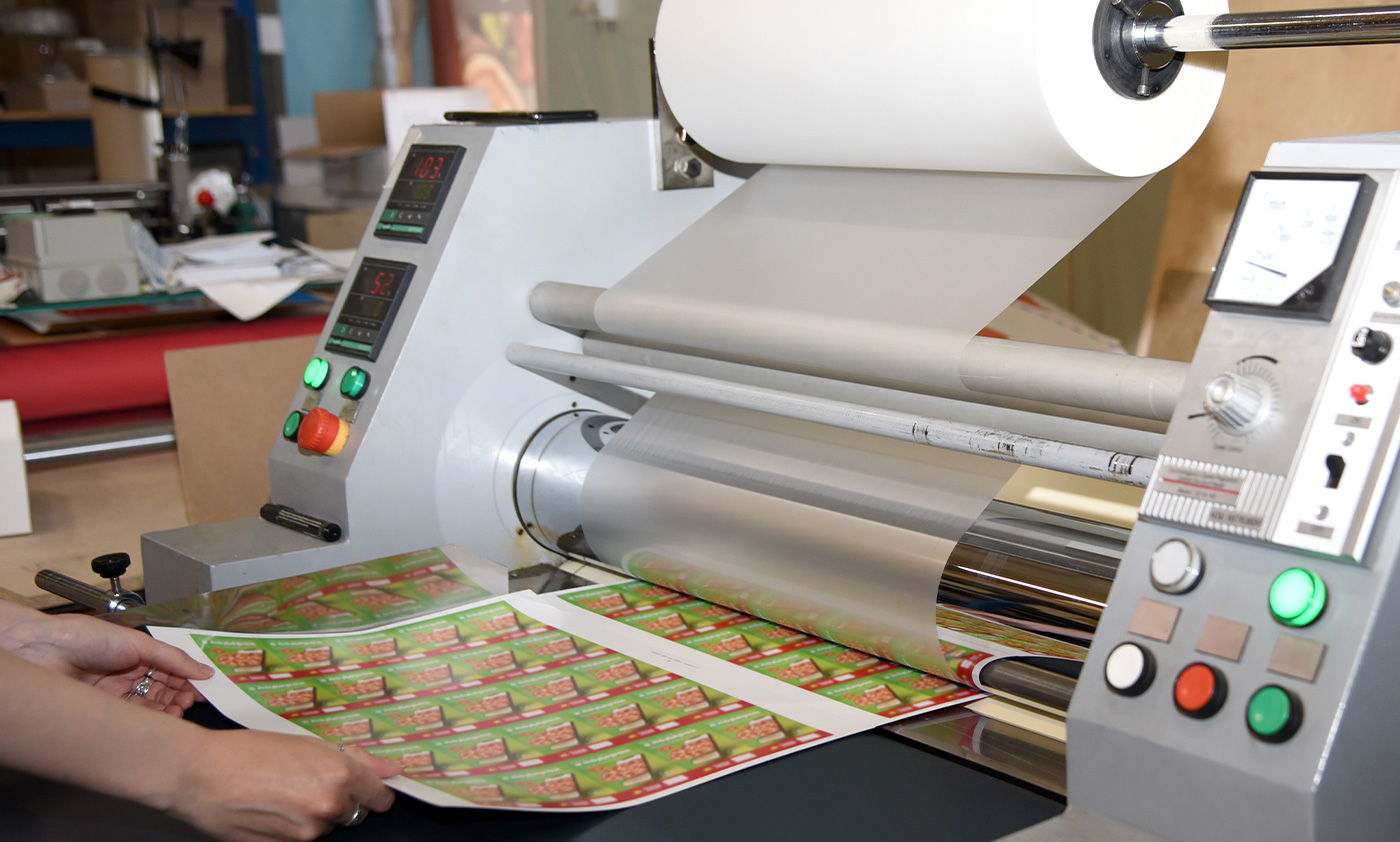
Lamination film application process is carried out using the laminating device. Steps of the process are as follows:- First, lamination film and material are prepared and placed in the feeding mechanism of the device.
- Temperature settings of the device are adjusted according to the type of lamination film used. Usually, the manufacturer’s recommended temperature range is used.
- Power button of the device turns on and the device starts to warm up.
- Lamination film is advanced with the material towards the feeding mechanism of the device. Film and material are bonded together using heat and pressure.
- When lamination process is complete, the material is removed from the laminator and cut.
- There are some points to be careful about during the lamination film application process. For example, if the temperature of the laminator is not set correctly, adequate adhesion between the film and the material may not be achieved. Also, different adjustments may be required depending on material thickness and film type.
- Lamination process must be performed by trained personnel. It is also important to follow the instructions in the device’s user manual.
Advantages of Lamination Film
It has a wide range of uses due to its many advantages. Here are some advantages:
- Durability: Thanks to its high durability feature, it protects the materials against scratches, moisture and sunlight. Therefore, PVC lamination films extend the life of the materials.
- Various colors and textures: It can be coated with different surfaces such as glossy, matte or satin and various color options are available. These properties give the materials a visually appealing appearance.
- Easy to clean: It facilitates use thanks to its easy-to-clean feature. The materials can be easily cleaned with a cloth or a damp sponge.
- Affordable cost: It can be an affordable option. Therefore, it can be used in large-scale productions or projects with limited budgets.
- Simple application: It can be applied with many different laminating devices. Moreover, the lamination process can be performed easily.
- Environmentally friendly: They are recyclable materials and can be recycled. Thanks to these properties, they are considered an environmentally friendly option.
These advantages make it preferred in many sectors in terms of material protection, visual appeal and ease of use.
Usages of Lamination Film
It is used in many fields for different purposes. Here are some common usages:- Printing industry: Digital prints can be made more durable and long-lasting by using them in printing products such as brochures, banners and business cards.
- Packaging industry: Many different products such as food products, medicines, cosmetics and electronic devices are covered with lamination film to make them more protected.
- Photography: The durability and quality of photos can be increased by using them in photo prints, albums and other products.
- Advertising: It is made more durable by using it in billboards, banners and other advertising materials.
- Book and magazine production: Protected and made more durable by using it in book and magazine products such as covers, inside pages and brochures.
- Industrial applications: It can also be used in furniture coating, automotive industry, labeling and other industrial applications.